Being a safe driver means more than knowing the rules of the road - it also means making sure your vehicle is ready to get you where you’re going. Regular maintenance can help prevent unexpected problems, keep important parts like your tires, brakes, lights, and fluids working properly, and help your vehicle last longer. You don’t have to be a car expert to get started. Knowing a few basic maintenance terms can help you understand what your vehicle needs and when it’s time to ask for help. Check out this New Driver’s Glossary to learn some of the basics of taking care of your vehicle!
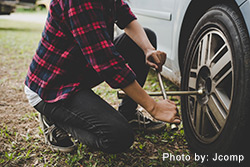
You never know when you might have a flat tire, get stuck in bad weather, or have your vehicle break down. Having an emergency kit in your car can help you stay prepared while you wait for help. Work with a parent, guardian, or trusted adult to put together a kit that fits your needs and the conditions where you drive. Keep it somewhere easy to reach, and check it from time to time to replace anything that has been used or expired.
First-aid kit Bandages, gauze, antiseptic wipes, and other basic supplies
Flashlight Keep extra batteries with it, or use a rechargeable flashlight
Phone charger or power bank A charged phone can be important when you need help
Water and nonperishable snacks Helpful if you are stuck waiting for on assistance a long time
Blanket and extra clothing Gloves, warm clothing, or a blanket can help in cold weather
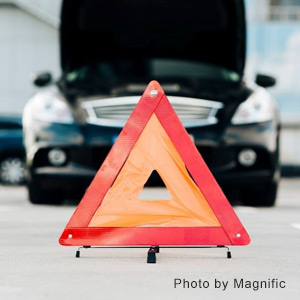
Reflective triangles or LED emergency beacons Help make your vehicle visible to other drivers
Glow sticks An additional way to make yourself visible
Jumper cables Useful if your vehicle’s battery needs a jump
Basic multitool and duct tape Can be useful for simple, temporary fixes
Zip ties Handy for securing loose items until proper repairs can be made
Whistle Can help attract attention if you need assistance
Hand sanitizer and wipes Useful for cleaning up when you’re on the road
Toilet paper or tissues One of those things you won’t think about until you need it
Bug spray Especially useful if you spend time outdoors or travel during warmer months
Remember: An emergency kit doesn’t replace calling for help. If your vehicle breaks down, focus first on getting yourself and your passengers to a safe location and contacting a parent, guardian, roadside assistance, or emergency services when appropriate.
For more ideas, check out the AAA’s suggestions of What To Have In Your Car Emergency Kit or where Emergency Items Should Go in your car.
Here are some “How To” videos to help with understanding the maintenance and daily tasks of your car. As always, make sure you are servicing your vehicles daily and having a certified auto mechanic check your vehicle if something is wrong.